







Search Results for: cold brew coffee filtration

Analysis of Why Cold Brew Coffee Filters Slowly and Comparison of Three Practical Solutions to Speed Up Filtration
Summer is here, and many people enjoy making cold brew coffee at home, but the filtration step often proves troublesome—the coffee liquid drips extremely slowly, sometimes taking half a day. Why is cold brew filtration so slow? The core reason is that the extremely fine particles in the coffee grounds clog the pores of the filter paper, leaving insufficient channels for the liquid to flow through. This is especially true when making multiple servings at once, as the waiting time gets stretched even further. This article will first explain the causes of clogging, then share three methods commonly used by baristas to speed up filtration: using a filter bag or cloth to pre-isolate the coffee grounds, spreading the coffee grounds at the bottom of the filter paper to intercept fine particles, and using a vacuum filtration device to achieve rapid filtration under reduced pressure. Each approach has its own pros and cons, suiting enthusiasts with different needs, and the article also retains relevant experience and product recommendations from the Front Street Coffee brand. [more…]
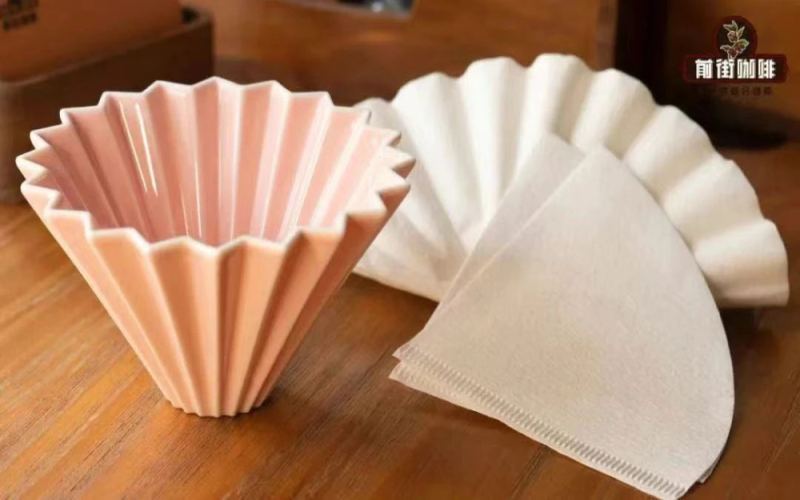
The Diverse Uses of Filter Paper in Coffee Brewing: An Analysis of Filtration Needs for Cold Brew, Ice Drip, Espresso, and Moka Pot
Can filter paper only be used for pour-over? In fact, in cold brew, ice drip, espresso, and even moka pot brewing, filter paper also plays an important role, just with different functions emphasized. This article compiles the practical experience of Front Street Coffee and explains one by one the specific uses of filter paper in different extraction methods: why cold brew needs secondary filtration, what roles the upper and lower filter papers in an ice drip brewer each play, what changes adding filter paper above the puck or at the bottom of the portafilter basket brings to espresso, whether a moka pot should use filter paper, and the correct approach to using filter paper to filter coffee grounds. Whether you are just starting out or want to refine your technique, you can find practical reference solutions here. [more…]
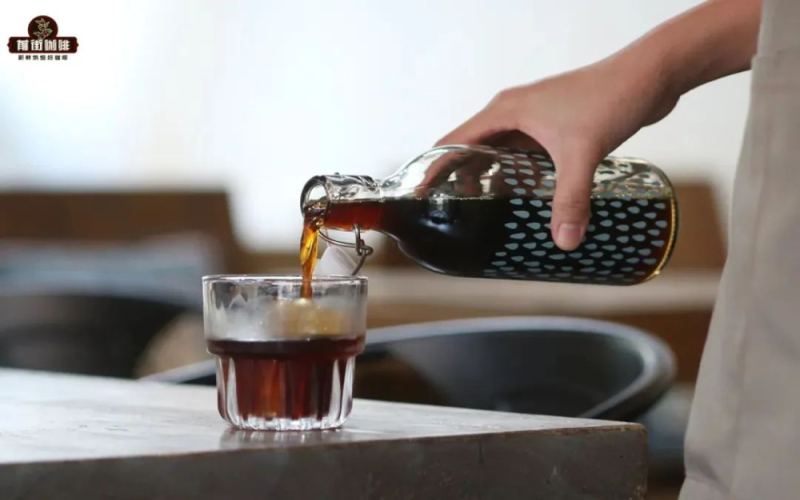
What Causes the Oil Film on Cold Brew Coffee? A Detailed Explanation of Low-Temperature Extraction Principles and Filtration Techniques
Cold brew coffee, with its advantages of simple operation and low cost, has become the preferred way for many coffee enthusiasts to make iced drinks at home. However, many people find in practice that a layer of oil slick unexpectedly floats on the surface of a finished pot of cold brew, and they can't help worrying that the coffee has gone bad or the container was not cleaned properly. Where exactly does this layer of oil come from? In fact, its cause is completely different from that of the Crema on the surface of espresso. This article will focus on the low-temperature extraction principle of cold brew, explain the phenomenon of oil condensation, and share the complete operational details from filter selection to secondary filtration, helping you make a cup of cold brew coffee with a clear mouthfeel and full flavor. [more…]
Where Does the Oil Film on Cold Brew Coffee Come From? A Full Breakdown of Low-Temperature Extraction Principles and Filtration Techniques
Cold brew coffee, with its advantages of simple operation and low cost, has become the go-to choice at home for many coffee enthusiasts. All you need is an airtight container and a low-temperature environment, and after several hours of steeping, you get a full-flavored iced coffee drink. However, many people discover during the process that a layer of oil often floats on the surface of the cold brew liquid, and can't help but wonder whether it has spoiled or the equipment is unclean. Where exactly does this layer of oil come from? And how should it be handled to achieve a clearer taste? This article will provide a detailed explanation of the extraction principles of cold brew, the phenomenon of oil condensation, the selection of filtration equipment, and ways to optimize the drinking experience, while also recommending several coffee beans suitable for making cold brew, helping you easily make a clean, translucent, and outstandingly flavorful cup of cold brew coffee at home. [more…]
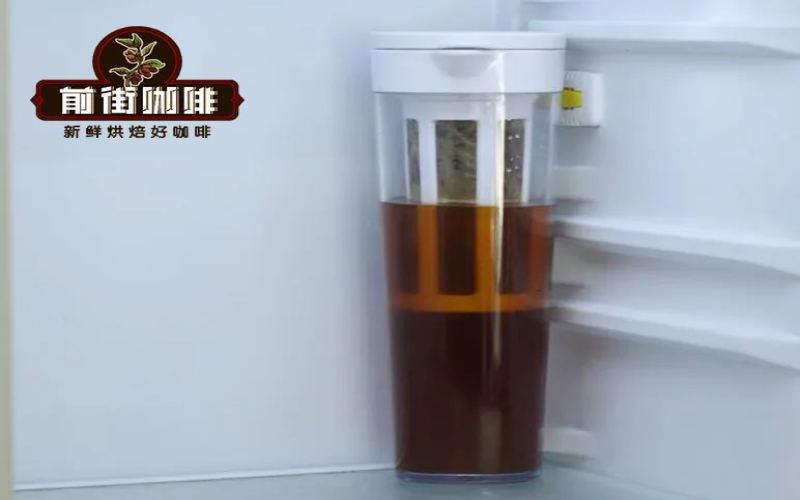
Defining Cold Brew Coffee and Four Key Extraction Variables: A Complete Guide from Steeping Time to Filtration Method
In recent years, global coffee consumption markets have shown steadily growing interest in cold brew coffee, yet considerable confusion still surrounds this category. Cold brew is essentially an extraction method, not a specific form of cold drink—it refers to the process of slowly dissolving flavor molecules from coffee grounds using low-temperature water as the medium. Compared with hot-water brewing, cold brew's extraction efficiency is greatly reduced due to the constraints of water temperature, so it is necessary to control factors such as time, bean condition, stirring technique, and filtration precision in order to obtain a cup of iced coffee with balanced acidity and sweetness and a clean mouthfeel. Front Street Coffee, combining in-store practical experience with comparative experiments, has sorted out four key variables that affect cold brew flavor, along with operation suggestions that can be replicated at home, for coffee enthusiasts to check item by item. [more…]
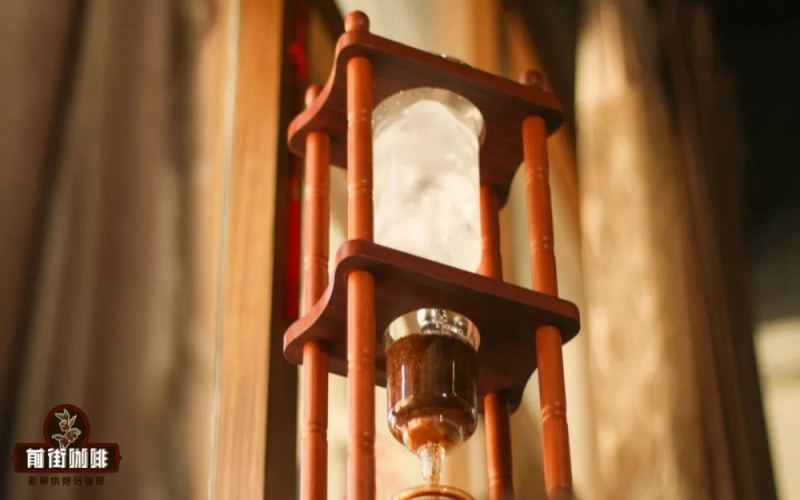
Cold Brew Coffee Making Guide: A Detailed Explanation of 6 Key Steps and Parameters from Bean Selection to Drip Filtration
Cold brew coffee is deeply favored by enthusiasts for its rich, wine-like body and refreshing fruity aroma, but recreating the ideal flavor at home requires precise control over bean selection, grinding, ratio, extraction, and aging. This article systematically outlines the 6 core steps for making cold brew coffee, including suitable roast levels and single-origin bean recommendations, coffee grounds coarseness standards, the golden coffee-to-water ratio, techniques to avoid channeling, optimal drip rate settings, and refrigeration fermentation methods for enhancing flavor. The article specifically includes suggestions for several single-origin beans from Front Street Coffee, such as Bird of Paradise, Queen's Estate Brazil, and Honduras Sherry, to help you create a cup of cold brew coffee that combines bright fruity acidity with fermented depth through slow drip filtration and low-temperature aging. [more…]
Should Cold Brew Coffee Be Filtered? A Detailed Guide to Cold Brew Equipment, Steps, and Practical Tips to Speed Up Filtration
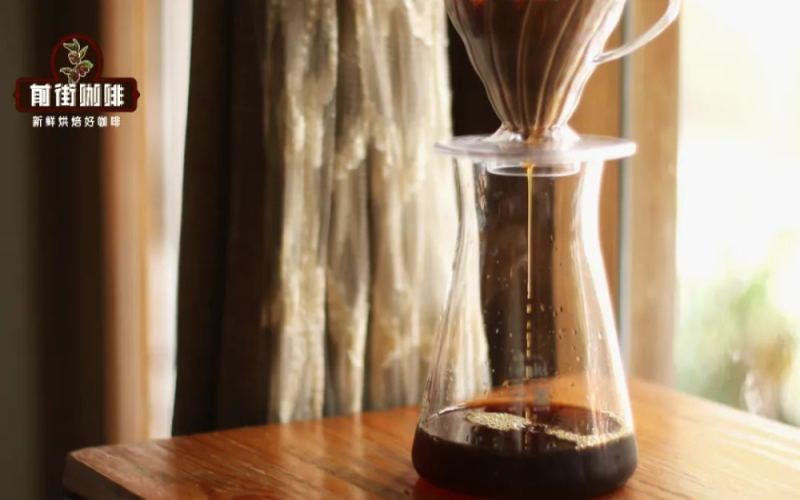
When making cold brew coffee at home, the most frustrating step is filtering: the filter paper gets clogged by fine particles, the coffee liquid drips slower and slower, and anyone in a hurry to leave the house can only wait anxiously. Why is the filtration speed of cold brew so much slower than pour-over at the same grind size? Is there a way to get the grounds out in one step, or even skip filtering altogether? This article focuses on the filtration problems of cold brew coffee. It first explains the principle behind clogging caused by fine particles clumping together, then offers three practical solutions: cold brewing directly with a non-woven filter bag, stirring thoroughly after brewing before filtering, and first laying down a bed of coarse coffee grounds to catch the fine particles. The article also includes Front Street Coffee's comparative experiment data and grind size recommendations to help you make a cold brew coffee with full flavor and refreshing fruity acidity. [more…]

Analysis of the Causes of Slow Cold Brew Drip Filtration and Three Speed-Up Solutions
When making cold brew at home, the most frustrating part is usually the filtering stage—the coffee liquid drips slower and slower, and even after more than ten minutes it still hasn't finished filtering, with the filter paper completely clogged by fine particles. Why is the filtering speed of cold brew so much slower than pour-over at the same grind size? The main reason is that fine particles clump together and block the pores of the filter paper. Through comparative experiments, Front Street Coffee has summarized three efficient and practical cold brew filtering techniques: cold brewing directly in a non-woven filter bag, insisting on stirring before straining out the grounds, and using coarse coffee grounds as a base layer to intercept fine particles. This article breaks down the principles and operational details of each method one by one, helping coffee lovers quickly enjoy a cup of full-flavored homemade iced coffee even on a busy morning. [more…]
The Complete Guide to Cold Brew Coffee: From Bean Selection to Filtration—Why Is Your Cold Brew Always Cloudy with Sediment?
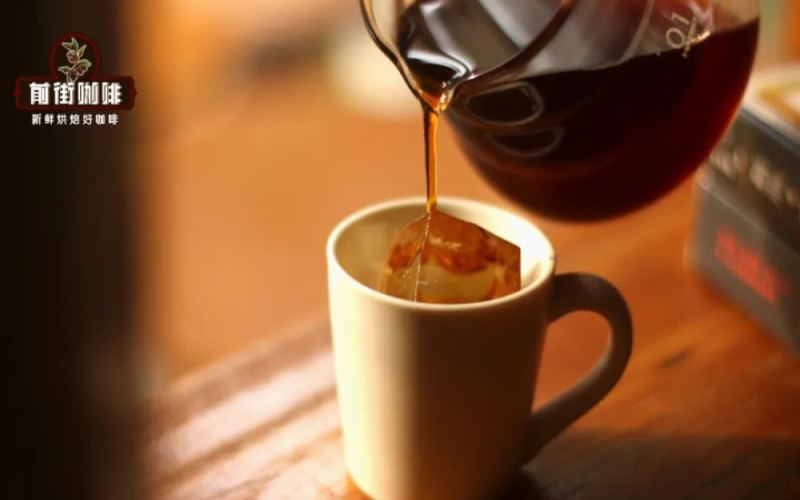
Cold brew coffee, with its refreshing and smooth taste brought about by low-temperature extraction, has become increasingly popular among coffee enthusiasts in recent years. All you need is coffee grounds, cold water, an airtight container, and a refrigerator to make it easily at home. However, many people find in practice that their homemade cold brew is never as rich and sweet as what they get at coffee shops, and sometimes it even turns out cloudy with sediment. Drawing on Front Street's practical experience, this article systematically sorts through the bean selection approach, steeping time, coffee bean freshness, stirring technique, and filtration key points for cold brew coffee, helping you identify where the problem lies and make a cup of cold brew coffee with full flavor and a clear texture. [more…]
A complete illustrated guide from bean selection to filtration: a six-step tutorial for easily making naturally sweet cold brew coffee at home
Cold brew coffee, with its natural sweetness and smooth mouthfeel from natural fermentation, has always had a loyal following, but its often high price tag makes many people hesitate before buying. In fact, making cold brew at home is not as complicated as you might think—all you need is an airtight container, a single-origin bean you like, and room-temperature drinking water. Mix them in proportion, refrigerate for eight hours, then filter through filter paper, and you'll have a clean, clear cup of cold brew. Using Front Street's chosen Costa Rica Mozart 50g, EK43s grinder at 9 setting for iced pour-over grinding, and a 1:12 coffee-to-water ratio as specific parameters, this article demonstrates all six steps in a step-by-step format with photos and text, helping you turn the high price tag into an everyday pleasure within easy reach. [more…]
Where Do Cold Brew Coffee Oil and Fine Particle Residue Come From? An Analysis of the Correct Use and Cleaning Methods of Filters
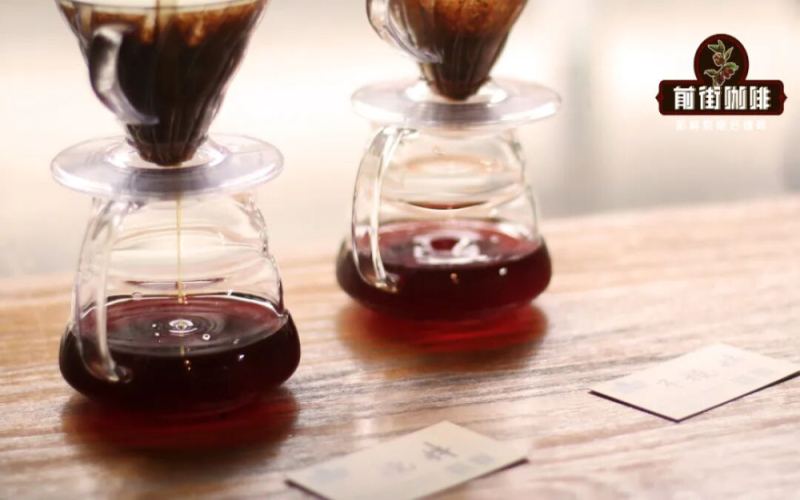
When making cold brew coffee at home, an oily sheen often floats on the surface, and fine sediment may appear at the bottom of the cup, leaving many coffee enthusiasts puzzled. What exactly are these floating substances? Is the coffee spoiled, or is the equipment unclean? In fact, this is closely related to the slow release of water-soluble fats from coffee beans at low temperatures. This article, drawing on Front Street Coffee's practical experience, analyzes the causes of cold brew oils, explains how the differences in mesh sizes of various filtering devices affect coffee flavor, and shares how to use secondary filtration with paper filters and refrigeration settling to make cold brew's juicy feel fuller and its acidity clearer. At the same time, regular deep cleaning of equipment is equally crucial to avoid the accumulation of condensed oil residue that produces a rancid odor. [more…]
Large Amounts of Coffee Powder Sediment Found at the Bottom of Luckin Cold Brew Coffee Cups; Employees Suggest Filter Bags May Be the Main Cause
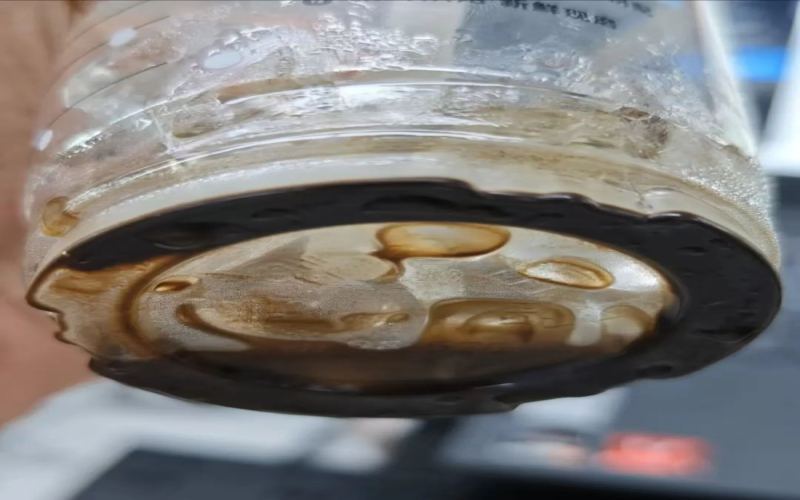
As the weather heats up, Luckin Coffee's cold brew has returned to the market, becoming a refreshing choice for many consumers. However, recently several customers have reported that after finishing their cold brew, they found a thick layer of coffee grounds settled at the bottom of the cup, with a noticeably powdery mouthfeel, some even describing it as "like drinking muddy soup." This phenomenon has drawn attention from cold brew enthusiasts, and Luckin employees have revealed that the problem may lie with the filter bags used for filtration. What exactly is going on? And how should the brand address it? This article breaks down the ins and outs of the incident. [more…]
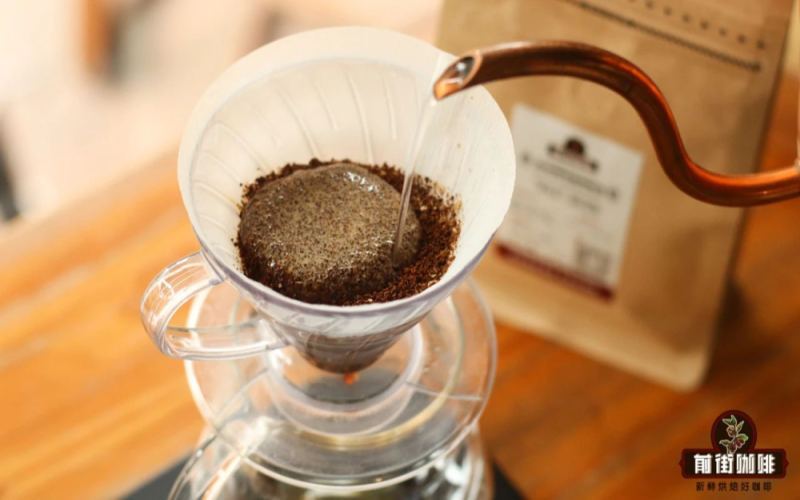
Can Drip Coffee Bags Also Make Cold Brew? A Complete Guide to Brewing Iced Coffee Without a Cold Brew Maker
Summer is here, and you're craving a refreshing glass of cold brew iced coffee, but you don't have a cold brew maker on hand. In fact, drip coffee bags can be transformed into a cold brew tool beyond their usual hot brewing use. In this article, Front Street will walk you through how to make iced black coffee with drip coffee bags, covering everything from the design principles of drip bags and the differences between drip and immersion extraction, to how high and low temperature extraction affect flavor, and then to the specific steps and storage tips. We'll also recommend several cost-effective Front Street drip coffee bags so you can easily enjoy a full-flavored cold brew at home or in the office. [more…]
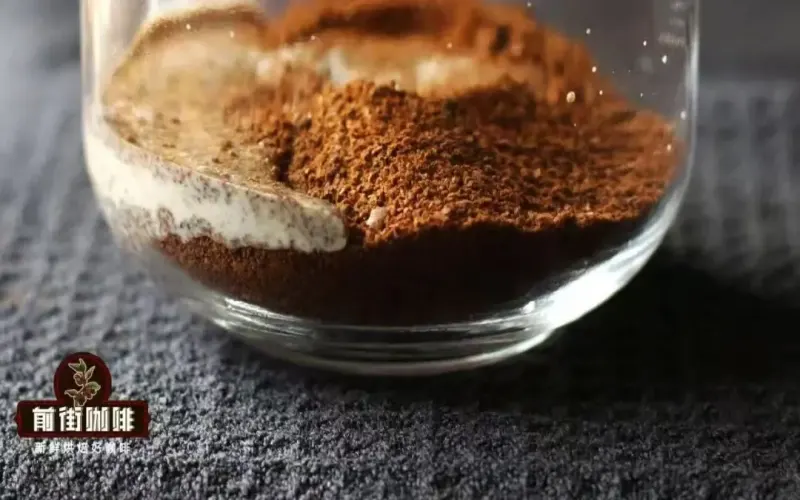
Complete Guide to Making Milk-Brewed Coffee: Food Safety, Coffee Bean Selection, and Filtration Methods Explained
Milk-brewed coffee, which uses milk instead of water to brew coffee by the cold brew method, makes it easy to produce a cup of rich, flavorful milk coffee, and has recently been highly recommended by bloggers. But many enthusiasts still have quite a few misunderstandings and questions about making it. In this article, Front Street will focus on three core points about milk-brewed coffee: first, emphasize food safety—milk easily breeds bacteria, so attention must be paid to sterilizing containers, making small batches, and drinking it promptly; second, explain the choice of coffee beans—because milk extraction efficiency is low, it is recommended to give priority to beans with strong flavors or dark roasts, such as Front Street PWN Golden Mandheling, Front Street Strawberry Candy · Geisha Blend, etc.; finally, analyze the filtration problem—filter paper is too slow, so tools such as tea bags can be used instead, but cleanliness will decline somewhat. The full text aims to help everyone avoid pitfalls and make a delicious cup of milk-brewed coffee. [more…]
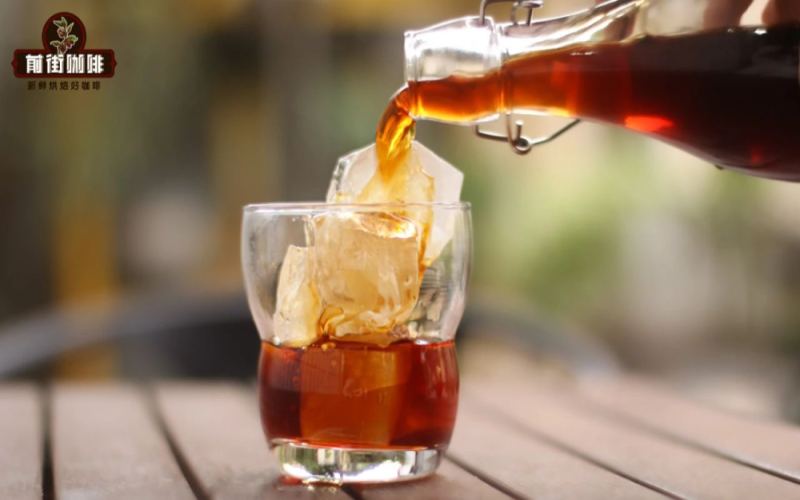
Cold Brew Coffee Acidity and Caffeine Content Explained: A Complete Guide from Bean Selection to Filtration
Cold brew coffee has become a popular choice in coffee shops in recent years; it requires no complex machines and can be made with just steeping and filtering. Many enthusiasts wonder whether its acidity is on the high side, exactly how much caffeine it contains, and how to filter out the coffee grounds. From the perspective of Front Street, this article sorts out the four major advantages of cold brew coffee—richer caffeine content, support for weight management, lower acidity, and a low brewing threshold—and shares in detail a coffee-shop-level production process, including bean selection ideas, coffee-to-water ratio, grind setting, and steeping time. The article also uses the popular bean Front Street Mozart as an example, demonstrating every step from pouring water and refrigerating to separating the coffee grounds with filter paper, helping you easily achieve cold brew freedom at home. [more…]
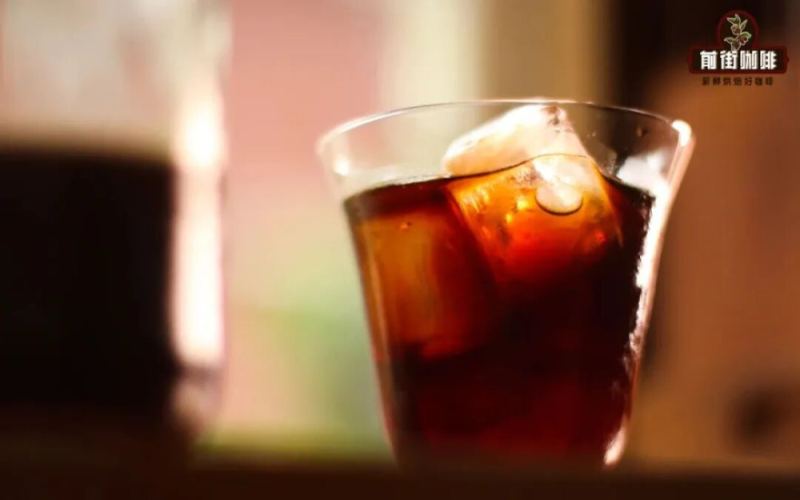
How do you adjust cold brew coffee when it turns out bitter or sour? Breaking down the key causes of over-extraction and under-extraction in low-temperature brewing
Cold brew coffee, with its smooth, full-bodied taste and lower acidity, has become the top choice for many people in summer. It uses cold or room-temperature water to steep coffee grounds for a long time; in a low-temperature environment, small-molecule floral and fruity notes are released first, while large-molecule roasted substances are difficult to dissolve, making it cleaner and softer than hot brewing. In practice, however, "too bitter" and "too sour" remain the two most common problems. This article analyzes the root causes of over-extraction and under-extraction in cold brew from the perspectives of roast level, grind size, steeping time, and filtration method, and offers practical adjustment tips from Front Street Coffee to help you make a balanced, easy-drinking glass of iced coffee. [more…]
How to Fix Under-Extracted Coffee? Detailed Adjustment Methods for Pour-Over, French Press, and Cold Brew Re-Brewing
Brewing a cup of coffee that's sharply sour, weak, and thin-bodied—it's a shame to pour it down the drain, but drinking it is torture. This time, Front Street Coffee won't talk about parameter adjustments, but instead share a practical idea for rescuing a coffee that's already gone wrong: pour the coffee back and re-extract it, boosting the extraction yield to make up for the flavor and strength. The article will address both drip and immersion brewing methods separately, explaining the specific steps, the conditions under which this works, and the cases where it doesn't apply, such as iced brewing and pressure extraction, to help you salvage an under-extracted coffee as much as possible. [more…]
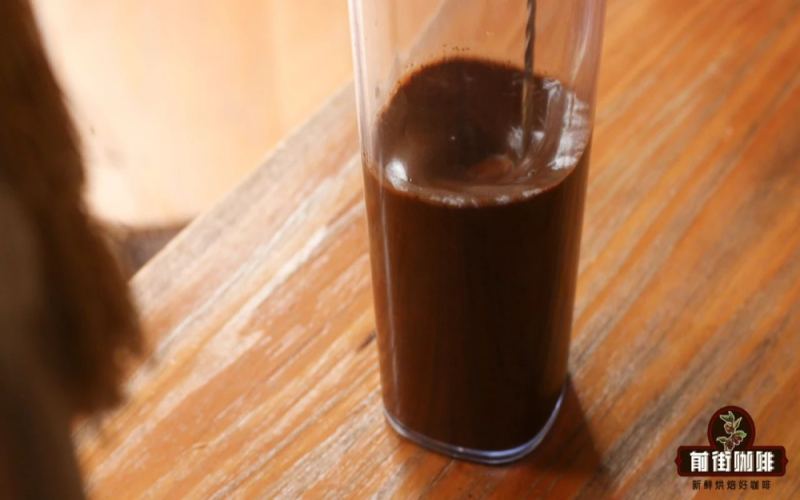
Cold Brew Coffee Storage Time and Brazilian Red Bourbon Recipe Explained: A Complete Guide from Extraction to Filtration
Cold brew coffee, with its user-friendly brewing method and refreshing taste, has become the summer favorite for many coffee lovers. But once you've made a batch of cold brew, how long can it keep? When does it taste best? This article starts with shelf life, offering a detailed explanation of cold brew storage essentials, and walks you through making cold brew easily with drip bags. It also compiles recommendations from Front Street Coffee for several beans suitable for cold brew, including the floral Panama Geisha, the bright and fruity Ethiopia Huakui, the balanced nutty and caramel-flavored Brazil Red Bourbon, and the rich and robust Golden Mandheling, helping you find the cup you love. [more…]
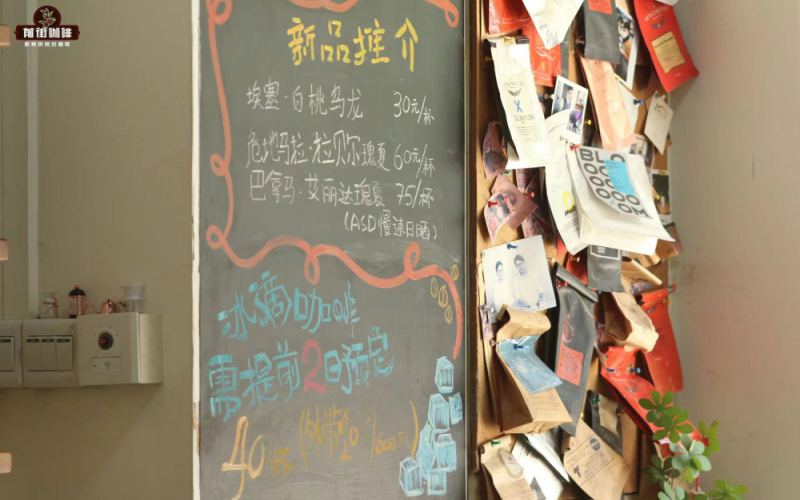
Types of Coffee Drinks | What Coffee Do Coffee Connoisseurs Drink? How to Make Americano, Latte, Dirty, Cold Brew, and Pour-Over Coffee at Home?
Don't be nervous if you're visiting a coffee shop for the first time~ Currently, there are 10 common types of coffee in coffee shops on the market: espresso, SOE coffee, Americano, latte, flat white, cappuccino, pour-over coffee, cold brew coffee, Dirty, and specialty coffee. The vast majority of these coffees are made with Arabica beans. [more…]
A Detailed Guide to Cold Brew Coffee Grounds-to-Water Ratio: From Extraction Principles to Post-Filtration Storage Time and Bean Selection
After the arrival of autumn, the midday heat in the south lingers on. In dry weather, drinking pour-over coffee easily makes the throat feel tight, so ice-cold, smooth cold brew coffee has become the first choice for many people. This article focuses on the key points of making cold brew coffee. It first explains what low-temperature extraction is and its flavor characteristics, then gives Front Street Coffee’s commonly used coffee-to-water ratio recommendations—1:13 for drinking straight, and a stronger 1:10 if used for making specialty drinks. Next, using 30 grams of beans as an example, it fully demonstrates grind size, ice water ratio, steeping time, and filtering method, and answers how long it can be stored after filtering: the best drinking period is 2 to 3 days, and it is recommended not to exceed 7 days. Finally, based on roast level and flavor profile, it recommends a number of Front Street Coffee bean options suitable for cold brew, helping you make a clean, full-bodied cup at home. [more…]